
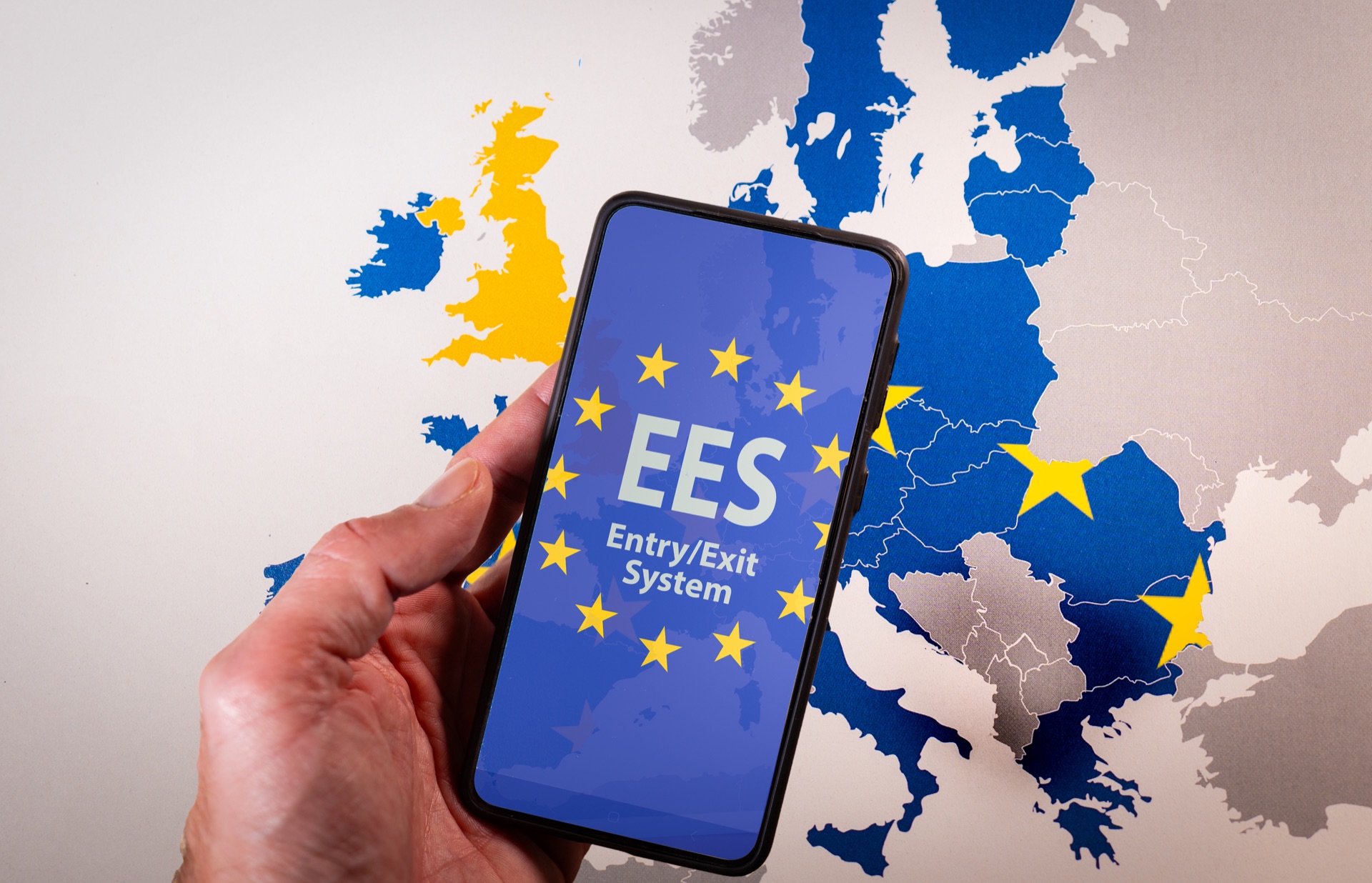
The Entry/Exit System (EES) is a new European mechanism designed to replace manual passport stamps and electronically record the entries and exits of non-European nationals in the Schengen Area. If you regularly cross the border into Andorra, here's what this means for you.
1. Who is affected by the EES?
EU and Schengen-area citizens are not subject to the EES system. If you hold an EU passport, you keep full freedom of movement: no visa, no biometric registration, no ETIAS.
2. So why are people talking about it?
Because the EES changes how authorities control Schengen's external borders — and the border crossings between France (or Spain) and Andorra are considered external borders. This mainly affects non-European travelers (British, American, Canadian, Australian, etc.).
3. In practice: what may change at the border (Pas de la Casa / Sant Julià)
- Nothing changes for EU citizens: you can continue entering and leaving Andorra just as you do today.
- Non-Europeans will need to be registered: passport scan, facial photo, and fingerprints on their first crossing.
- Longer waiting times are possible in the early stages of the rollout, especially on weekends and during busy periods.
- In the long run, the goal is to make checks faster and more reliable, but there will be an adjustment period.
4. A simple example
A family with EU passports drives to Pas de la Casa to go shopping: nothing changes for them. Right behind them, a couple of British tourists will need to register in the EES system — which may briefly slow down the queue.
5. Frequently Asked Questions (FAQ)
| Question | Answer |
|---|---|
| Do I need to show my passport? | For EU citizens, it isn't mandatory for short trips; keep a valid ID with you, as usual. |
| Will the EES register me? | No, the system only applies to third-country (non-EU) nationals. |
| Will I have to pay anything new? | No, not for the EES; ETIAS (a non-EU travel authorization) may involve a fee, but it doesn't apply to EU citizens. |
| Will there be more checks? | No extra checks for EU citizens, but additional procedures for non-Europeans. |
6. Practical tips for EU travelers
- Keep traveling with your national ID card or passport; that's all you need.
- Expect a bit more waiting time on busy days (Saturdays, school holidays).
- Follow the signage at border checkpoints: separate lanes for non-Europeans may appear.
- Stay courteous with border staff: the rollout period often requires extra explanations and patience.